Blog

Why Planting Native Trees Is One of the Best Investments You Can Make in Your Landscape

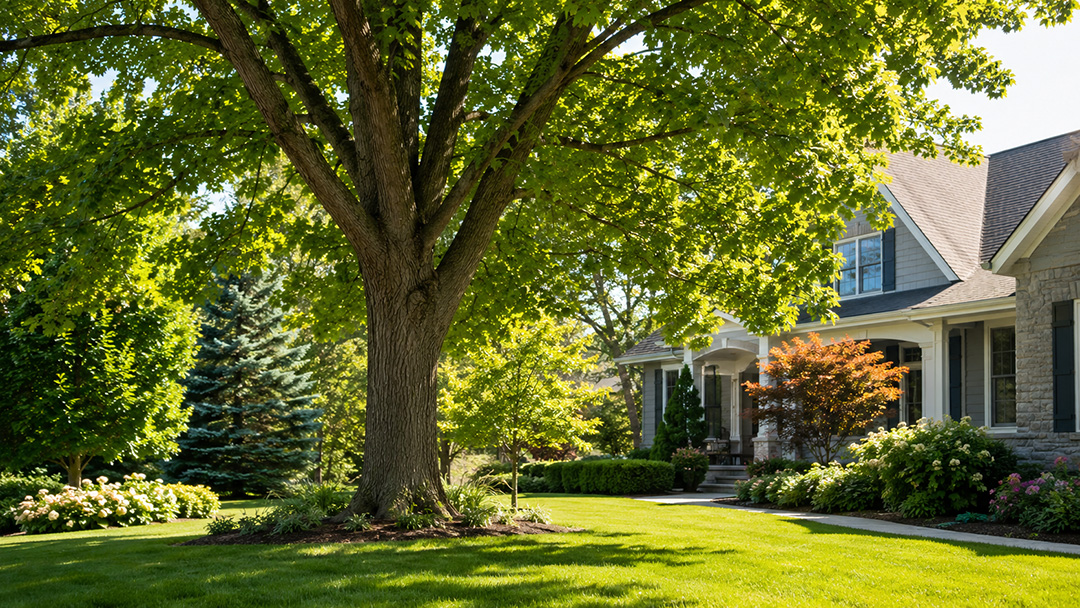
Trees are one of the most valuable features of any landscape. They provide shade, improve curb appeal, increase property value, reduce energy costs, and create habitat for wildlife. However, not all trees provide the same environmental and landscaping benefits. Choosing native trees instead of non-native or invasive species can make a significant difference in the long-term health of your property and the surrounding ecosystem.


Across the Midwest—including Southeast Michigan—landscapers, arborists, and conservation organizations increasingly recommend planting native tree species because they are naturally adapted to local soils, weather patterns, and wildlife. At the same time, many once-popular ornamental trees are now recognized as invasive species that threaten forests, waterways, and native plant communities.


Whether you're designing a new landscape or replacing an aging tree, selecting native trees is one of the smartest investments you can make for both your property and the environment.


What Are Native Trees?

Native trees are species that have naturally grown in a particular region for hundreds or thousands of years without human introduction. These trees evolved alongside local insects, birds, mammals, fungi, and other plants, creating balanced ecosystems that support biodiversity.


Because they are adapted to local climate conditions, native trees generally perform well with fewer inputs once established. They are accustomed to regional rainfall, seasonal temperature changes, and soil conditions, making them an excellent choice for homeowners seeking resilient, long-lasting landscapes.


Common native trees found throughout Southeast Michigan include:

  • White Oak
  • Bur Oak
  • Red Maple
  • Sugar Maple
  • American Elm (disease-resistant cultivars)
  • Eastern Redbud
  • River Birch
  • Serviceberry
  • American Basswood
  • Tulip Tree


These species offer beauty throughout the seasons while providing important ecological benefits.


Why Native Trees Thrive in Local Landscapes

One of the greatest advantages of native trees is their natural adaptability.


Unlike many imported ornamental trees, native species have evolved to withstand Michigan's weather extremes, including cold winters, humid summers, heavy spring rains, and occasional drought conditions.


Because of this adaptation, native trees often require:

  • Less supplemental watering once established
  • Fewer chemical treatments
  • Reduced fertilizer applications
  • Less overall maintenance
  • Greater resilience during severe weather


For homeowners, this means healthier trees and lower long-term maintenance costs.


Native Trees Support Local Wildlife

Native trees do much more than beautify a landscape—they provide food and shelter for countless wildlife species.


Oak trees, for example, support hundreds of species of caterpillars, which are a vital food source for songbirds. Native flowering trees such as serviceberry and eastern redbud provide nectar for pollinators, while their berries and seeds feed birds and small mammals.


Benefits include:

  • Food for native birds
  • Habitat for beneficial insects
  • Shelter for squirrels and other wildlife
  • Nectar for bees and butterflies
  • Increased biodiversity


A landscape filled with native trees becomes part of a larger, healthier ecosystem.


Native Trees Improve Soil and Water Quality

Healthy tree root systems stabilize soil and help reduce erosion during heavy rainfall.

Native trees also:

  • Improve stormwater infiltration
  • Reduce runoff
  • Filter pollutants
  • Increase organic matter in the soil
  • Improve long-term soil structure


These environmental benefits become increasingly important as communities experience more intense rainfall events and urban development.


The Problem with Invasive Tree Species

While many non-native trees coexist without causing significant problems, invasive species are different.


An invasive tree spreads aggressively beyond where it was planted, often outcompeting native vegetation and disrupting natural ecosystems. Once established, invasive trees can be difficult and expensive to control.


Many invasive species grow rapidly, produce abundant seeds, and spread into forests, wetlands, roadsides, and parks where they crowd out native plants.


Over time, this reduces biodiversity and negatively impacts wildlife that depend on native vegetation.


Common Invasive Trees in the Midwest

Several invasive tree species continue to create problems throughout Michigan and neighboring states.


Examples include:

  • Bradford Pear (Callery Pear)
  • Tree-of-Heaven
  • Norway Maple
  • Siberian Elm
  • Autumn Olive (large shrub/small tree)
  • Russian Olive


These species often spread beyond residential landscapes into natural areas where they displace native plants and alter ecosystems.


Some invasive trees also create maintenance challenges due to weak branch structure, excessive seedlings, or aggressive root systems.


Before planting a new tree, it's wise to confirm that it is suitable for your region and not considered invasive by state or local environmental agencies.


Native Trees Require Less Long-Term Maintenance

One of the biggest misconceptions is that native landscaping looks "wild" or requires more work.


In reality, established native trees often require less maintenance than many ornamental species because they are naturally suited to local growing conditions.


Benefits include:

  • Better drought tolerance
  • Fewer pest problems
  • Reduced disease pressure
  • Less frequent replacement
  • Lower irrigation needs


While every tree benefits from proper pruning and monitoring, native species generally require fewer corrective treatments over their lifetime.


Native Trees Increase Property Value

Mature trees are consistently associated with higher property values, especially when they are healthy and well placed.


Native trees offer long-term value by:

  • Increasing curb appeal
  • Providing natural shade
  • Lowering summer cooling costs
  • Enhancing outdoor living spaces
  • Creating attractive seasonal color


Because many native species are long-lived, they continue adding value to your property for decades.


Choosing the Right Native Tree

Not every native tree is appropriate for every landscape.


Before planting, consider:

  • Available growing space
  • Mature height and spread
  • Soil type
  • Sun exposure
  • Drainage conditions
  • Utility lines
  • Nearby structures


Working with a knowledgeable landscaping professional or certified arborist can help ensure you select the right tree for your property and avoid future maintenance issues.


Tips for Successful Tree Planting

Whether planting one tree or redesigning your entire landscape, following proper planting practices improves long-term success.


Best practices include:

  • Plant during spring or fall when temperatures are moderate.
  • Dig a hole two to three times wider than the root ball but no deeper than the root flare.
  • Water regularly during the establishment period.
  • Apply mulch around the base while keeping it away from the trunk.
  • Avoid excessive pruning immediately after planting.
  • Monitor for pests, diseases, and signs of stress during the first few years.


Proper establishment helps young trees develop strong root systems that support healthy growth for generations.


Frequently Asked Questions


What is a native tree?

A native tree is a species that naturally occurs in a specific region and has evolved alongside the local climate, soils, wildlife, and ecosystems without being introduced by humans.


Why are native trees better for landscaping?

Native trees are adapted to local growing conditions, often require less maintenance, support pollinators and wildlife, and generally provide greater long-term environmental benefits than many non-native species.


What is an invasive tree species?

An invasive tree is a non-native species that spreads aggressively beyond where it is planted, displacing native vegetation and disrupting local ecosystems.


Are all non-native trees invasive?

No. Many non-native trees remain well behaved in landscapes. Only certain introduced species become invasive and spread aggressively into natural areas.


Can native trees increase property value?

Yes. Healthy, mature trees improve curb appeal, provide shade, reduce energy costs, and contribute to higher property values while creating more attractive outdoor spaces.

Final Thoughts

Planting native trees is one of the most impactful decisions you can make for your landscape. Beyond their beauty, native species support local wildlife, improve soil and water quality, require less long-term maintenance, and are naturally equipped to thrive in Southeast Michigan's climate. They provide lasting value for homeowners while helping preserve the ecological health of surrounding communities.


Just as importantly, choosing native trees over invasive species helps protect forests, parks, wetlands, and neighborhoods from plants that can outcompete native vegetation and reduce biodiversity. Every thoughtfully selected native tree contributes to a stronger, healthier landscape—one that benefits not only your property but also future generations.


Whether you're adding a single shade tree or planning a complete landscape renovation, selecting native species is an investment in sustainability, resilience, and the natural beauty of your home.